# I Have Twin Daughters with Darker Skin and Blue Eyes, but My Husband’s Words Changed Something Deep Inside Me 💔👶👶
I never imagined that a few careless words from my husband could change the way I looked at our family forever. But one quiet afternoon, while watching our twin daughters play on the living room carpet, I heard something that made my heart ache. 😔💔
My husband, Daniel, stood beside the sofa, watching our little girls giggle as they reached for their colorful toys. Emma and Olivia were only a few months old. They had relatively dark skin, soft brown curls, and striking blue eyes that seemed to sparkle whenever sunlight touched their faces. 👶💙
To me, they were perfect.
Every morning, I woke up grateful that I had been blessed with two beautiful daughters. Their tiny fingers wrapped around mine, their sleepy smiles, and their adorable little noises filled our home with a happiness I had never known before. ❤️
But that afternoon, Daniel suddenly frowned.
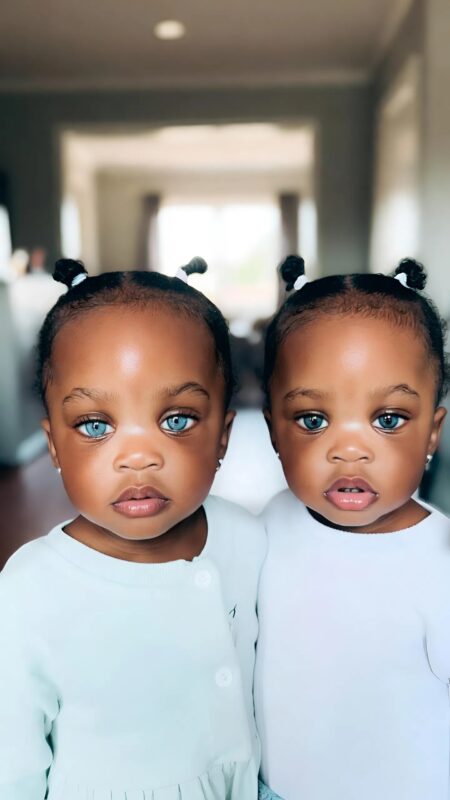
“There’s one thing I don’t understand,” he said, staring at the girls. “I’ve never liked blue eyes. Why do they have blue eyes? Wasn’t another color possible?”
For a moment, I thought I had misunderstood him.
I slowly turned toward my husband, waiting for him to smile or admit that he was joking. But he remained serious.
“What do you mean?” I asked quietly.
He shrugged.
“I just think brown or green eyes would have looked better. Blue eyes don’t really appeal to me.”
I was stunned. 😳
These were our daughters. The same little girls he had held in his arms at the hospital, the babies he had promised to protect, and the children whose photographs filled his phone.
And now he was criticizing their eye color?
I took a deep breath and tried to remain calm.
“Daniel, your eyes are green, and mine are brown. Genetics can be complicated, and the possibility of a child having blue eyes depends on several inherited genetic variants. But honestly, their eye color isn’t as important as the fact that they are our children.”
He looked away.
“I know they’re our children. I’m just saying I don’t like blue eyes.”
His words hurt more than I expected. 💔
That evening, after putting Emma and Olivia to sleep, I sat alone in the nursery. I watched their little chests rise and fall beneath their blankets, and tears quietly rolled down my cheeks.
Why had such a small detail become important enough for their father to criticize?
I remembered the day they were born. Daniel had cried when he first held them. He kissed their foreheads and whispered that they were the greatest gifts he had ever received. I had never seen him so emotional.
So what had changed?
Over the following days, I began noticing things I had previously ignored. Whenever relatives visited, Daniel proudly showed them photographs of the girls, but if someone complimented their blue eyes, he sometimes changed the subject.
Once, his sister laughed and said, “Those eyes are absolutely beautiful! They look like little dolls!”
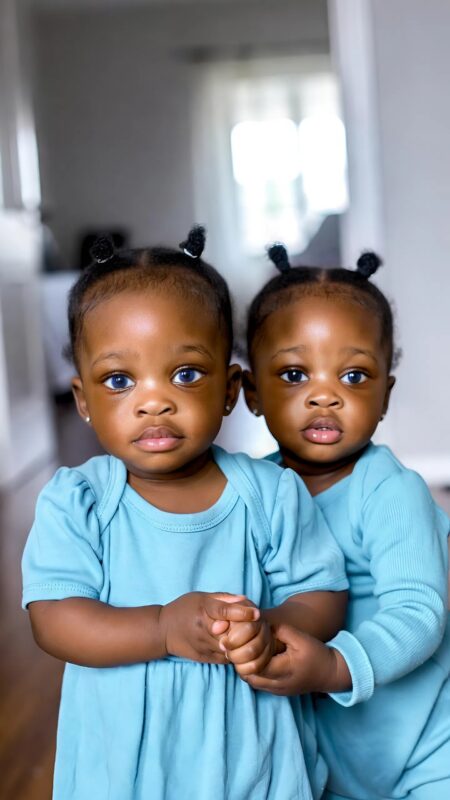
Daniel answered, “I suppose. I just wish they had inherited something different.”
I froze. 😟
Later that night, I finally confronted him.
“Daniel, why does their eye color bother you so much? They can’t choose how they look. They’re babies!”
He sighed and rubbed his forehead.
“My father always told me blue eyes were strange. He used to make fun of people who had them. I guess I grew up believing they weren’t attractive.”
For the first time, I understood that his attitude might have roots in his childhood. But understanding where a hurtful belief came from didn’t make it harmless.
“Daniel,” I said gently, “our daughters deserve to grow up knowing that they are loved exactly as they are. Imagine how they would feel if they heard their own father saying that something about them should have been different.”
He remained silent.
I continued, my voice trembling.
“They will grow up. One day, they’ll understand our words. I never want them to look in the mirror and wonder whether their father wishes they were different.”
His expression changed. For the first time, he seemed to recognize the pain his comments had caused.
A few minutes later, he walked into the nursery and stood beside the cribs. Emma stirred in her sleep, while Olivia opened her bright blue eyes and reached toward him.
Daniel gently picked her up.
He stared at her tiny face for a long moment before whispering, “I’m sorry, sweetheart.”
Then he looked at me.
“I never thought about how those words could affect them. I was repeating something I grew up hearing, but that doesn’t make it right.”
I felt some of the tension inside me begin to ease. ❤️
His apology didn’t erase the hurt immediately, but it was a beginning. Over time, Daniel made a conscious effort to stop judging appearances and appreciate the little personalities developing before our eyes. He learned that loving his daughters meant accepting every part of them without wishing they were someone else.
Today, when I watch Emma and Olivia laughing together, their blue eyes shining with curiosity, I remember that afternoon. It taught me that sometimes the most painful wounds begin with words spoken carelessly by the people we love most.
Our children don’t need parents who believe they are perfect. They need parents who make them feel accepted, protected, and loved without conditions. 🥹💙
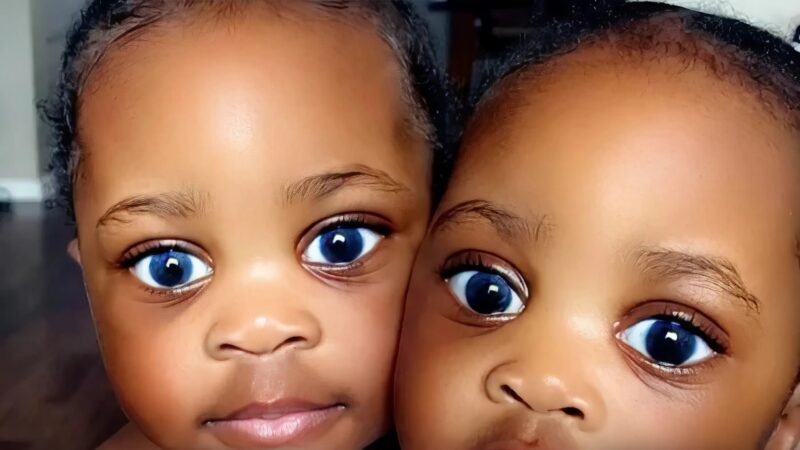
And I learned something else: we cannot always control the beliefs we inherit from childhood, but we can choose whether to pass them on to the next generation.
**What would you have done in my place? Do you think a parent should ever criticize a child’s natural appearance, even if they believe they’re only expressing a personal preference? Share your thoughts in the comments. Your words might help another family understand why unconditional love matters so much. 👇❤️**