We were taken out of the hospital by the police without any warning, and in that moment, everything I thought I understood about fairness, health, and humanity collapsed at once.
My 4-year-old daughter had been admitted the day before with a high fever. She was weak, burning with temperature, barely able to speak. I stayed by her side the entire night, holding her tiny hand, praying every minute that her condition would improve. The hospital room had that strange silence only sick places have—machines softly beeping, nurses walking quickly, and parents whispering fear into the air. 🏥💔
By morning, her fever had finally gone down. The doctor said she was stable. I remember feeling that fragile relief—that moment when exhaustion turns into hope. I thought we were finally safe.
But everything changed just a few hours later.
Without explanation, police officers arrived at the ward. They didn’t raise their voices, but their presence immediately shifted the atmosphere. One of them politely but firmly told me and my daughter that we had to leave. I didn’t understand. I asked if there was a mistake. My daughter was still weak, holding onto my sleeve, confused and sleepy.
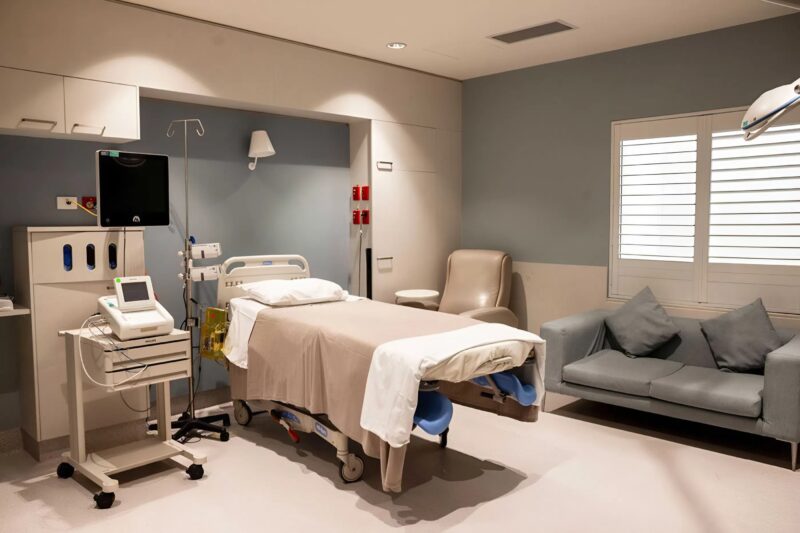
We were taken out of the hospital without even being allowed to fully process what was happening. No proper explanation. No preparation. Just… removed.
Outside, my husband was already waiting in the car. His face showed the same shock I felt inside. I kept asking what was going on, my voice shaking. “Why are they doing this? She was just sick… she needs rest…”
That’s when the truth slowly came out, and it was more unbelievable than anything I could have imagined.
A woman from the luxurious house next to ours—the so-called “palace,” as people called it in the neighborhood—had filed a complaint. She claimed that my daughter had cried during the night and disturbed her peace. She insisted it was unacceptable and demanded action.
I stared in disbelief. A 4-year-old child, recovering from a fever, had cried in the night—and that was enough to trigger a formal complaint strong enough to force us out of the hospital the moment she was “stable enough.”
I felt something inside me break. 😔
So that was it. Not danger. Not medical urgency. Not concern for my child. Just noise. Just inconvenience to someone who lived too comfortably to care about the reality of illness, fear, and hospitals.
The police explained it calmly, almost too calmly, as if it were a routine procedure. But nothing about it felt normal. My daughter was silent beside me, still too young to understand why we were suddenly leaving the place that had been caring for her just hours before.
In the car, she leaned her head against me and asked softly, “Mommy, did I do something wrong?”

That question hurt more than anything else. 💔
I told her no. I told her she did nothing wrong. But inside, I couldn’t stop thinking about how fragile justice becomes when comfort and privilege are involved.
As we drove away, I looked back at the hospital building. It didn’t feel like a place of healing anymore. It felt like a place where decisions could be influenced by complaints that had nothing to do with medicine.
Later, we learned that because her condition was now stable, the hospital had decided to discharge her earlier than planned. On paper, it sounded reasonable. But in reality, it felt like we were being pushed out to satisfy someone else’s complaint.
The irony was painful—my daughter had been sick enough to need care, but not “disruptive” enough to deserve understanding.
That night, at home, she finally slept peacefully in her own bed. I sat beside her, watching her breathe normally again, grateful she was safe, but still shaken by everything that had happened.
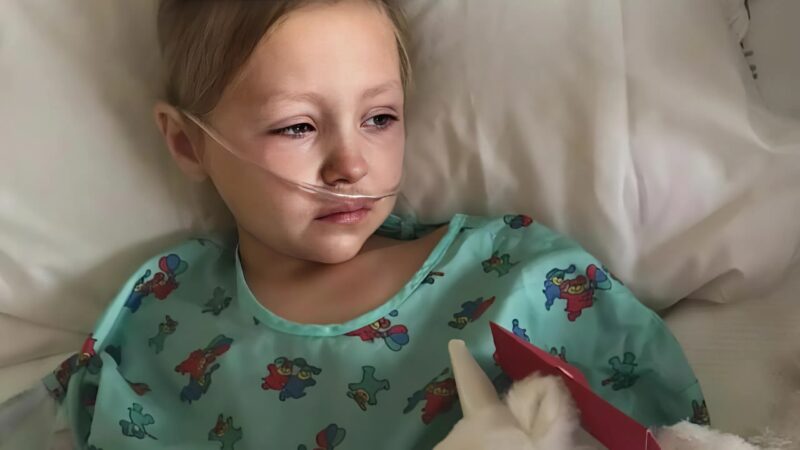
I kept thinking about the woman next door, about how easily a child’s illness became an inconvenience in someone else’s world. And I realized something I will never forget:
Sometimes, injustice doesn’t come loudly. It arrives quietly, in complaints, in paperwork, in decisions made without empathy. 🕊️
And the most shocking part is how quickly it can turn a place meant for healing into something completely different.
That day changed how I see people, systems, and silence. But most of all, it made me realize how fiercely a parent must stand for their child—even when the world seems to look away.